





RAIL & INDUSTRIAL TRANSPORTATION
APPLICATIONS
Key Thermal Management Challenges:
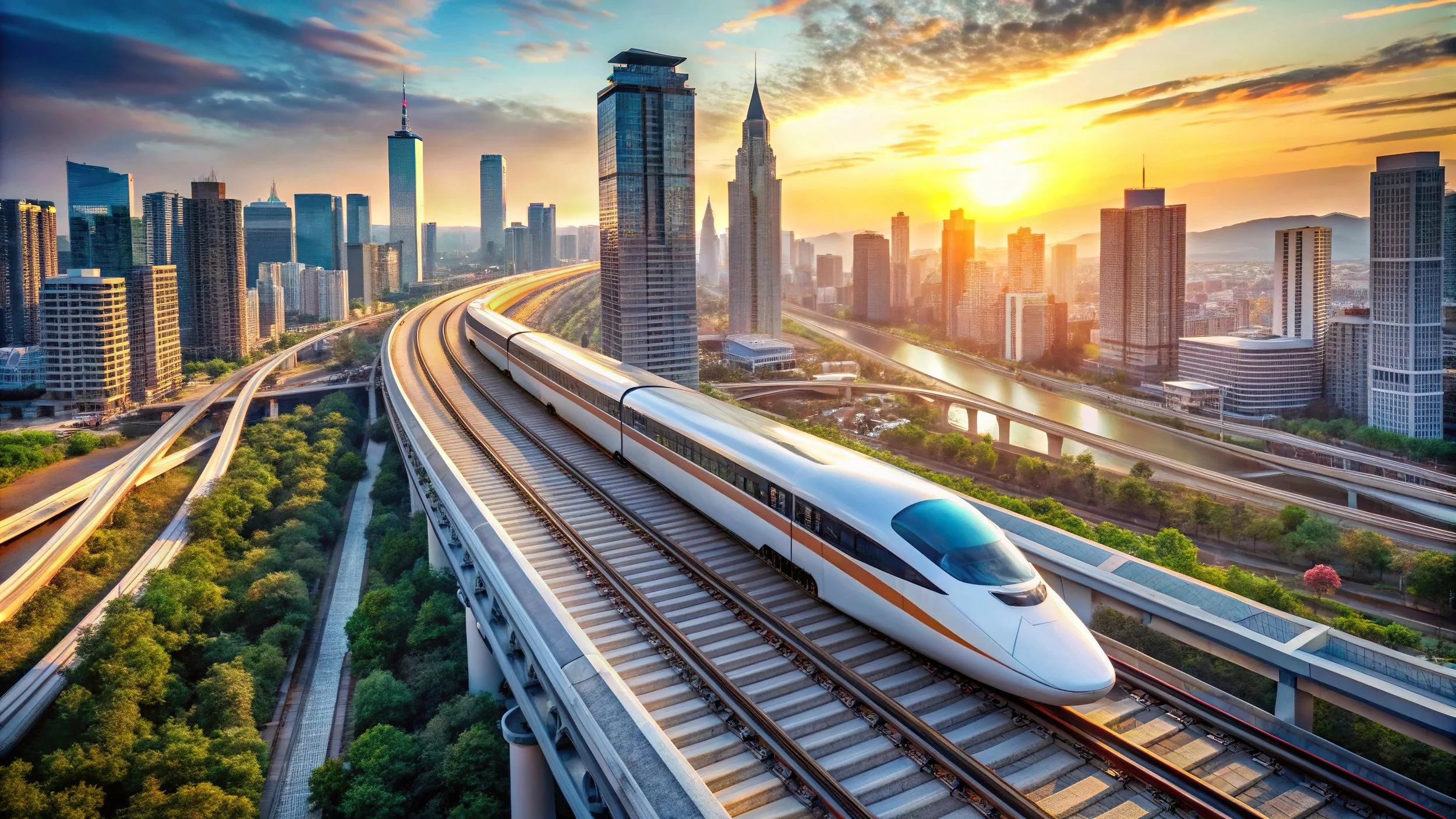
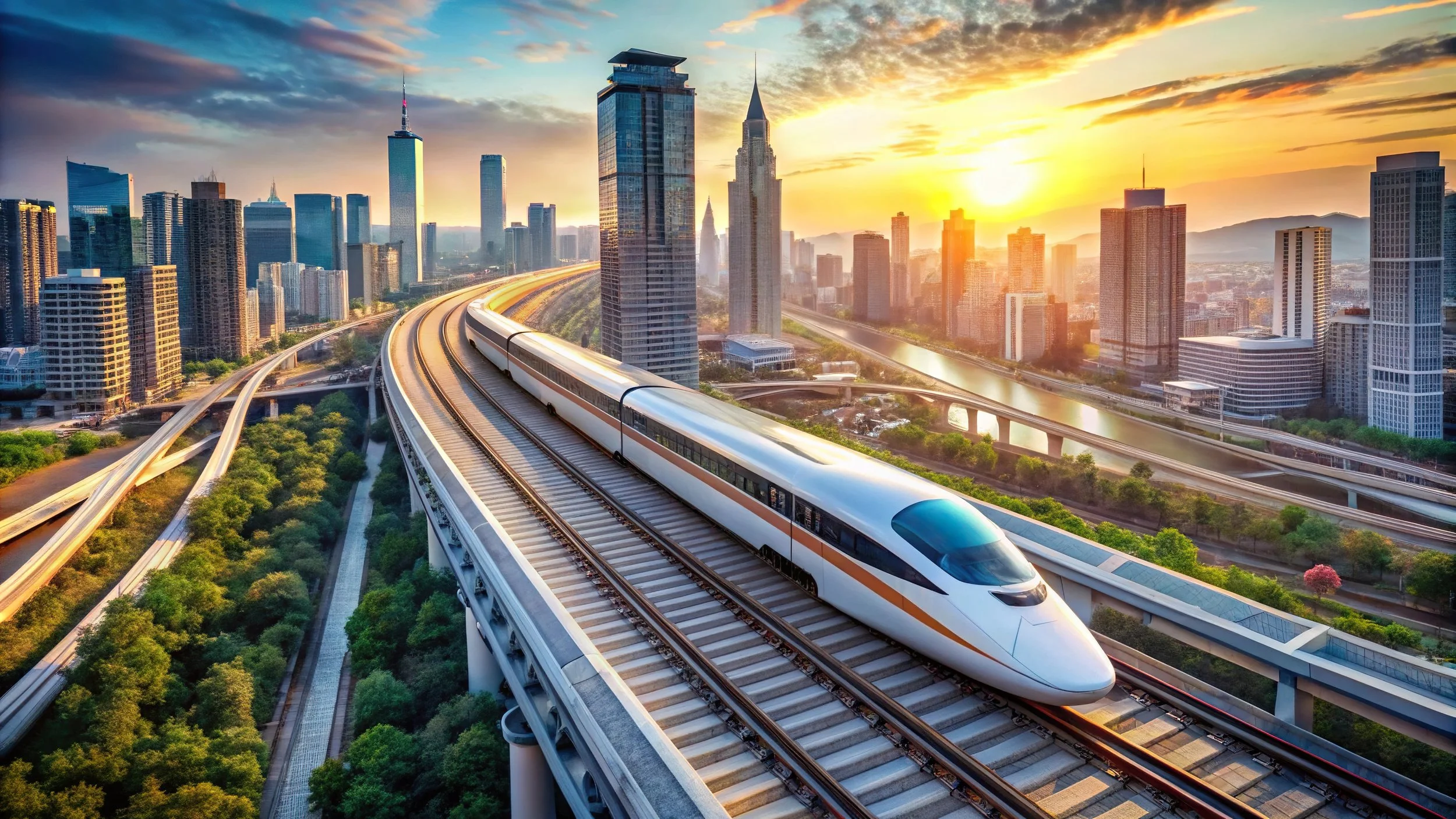
In electric locomotives, high-speed trains, trams, and industrial transport vehicles, thermal management of power electronics is essential for safety, uptime, and energy efficiency. Traction inverters, onboard converters, auxiliary power units, and braking systems all generate substantial heat under continuous load—making liquid-cooled cold plates the preferred solution over traditional air-cooling methods.
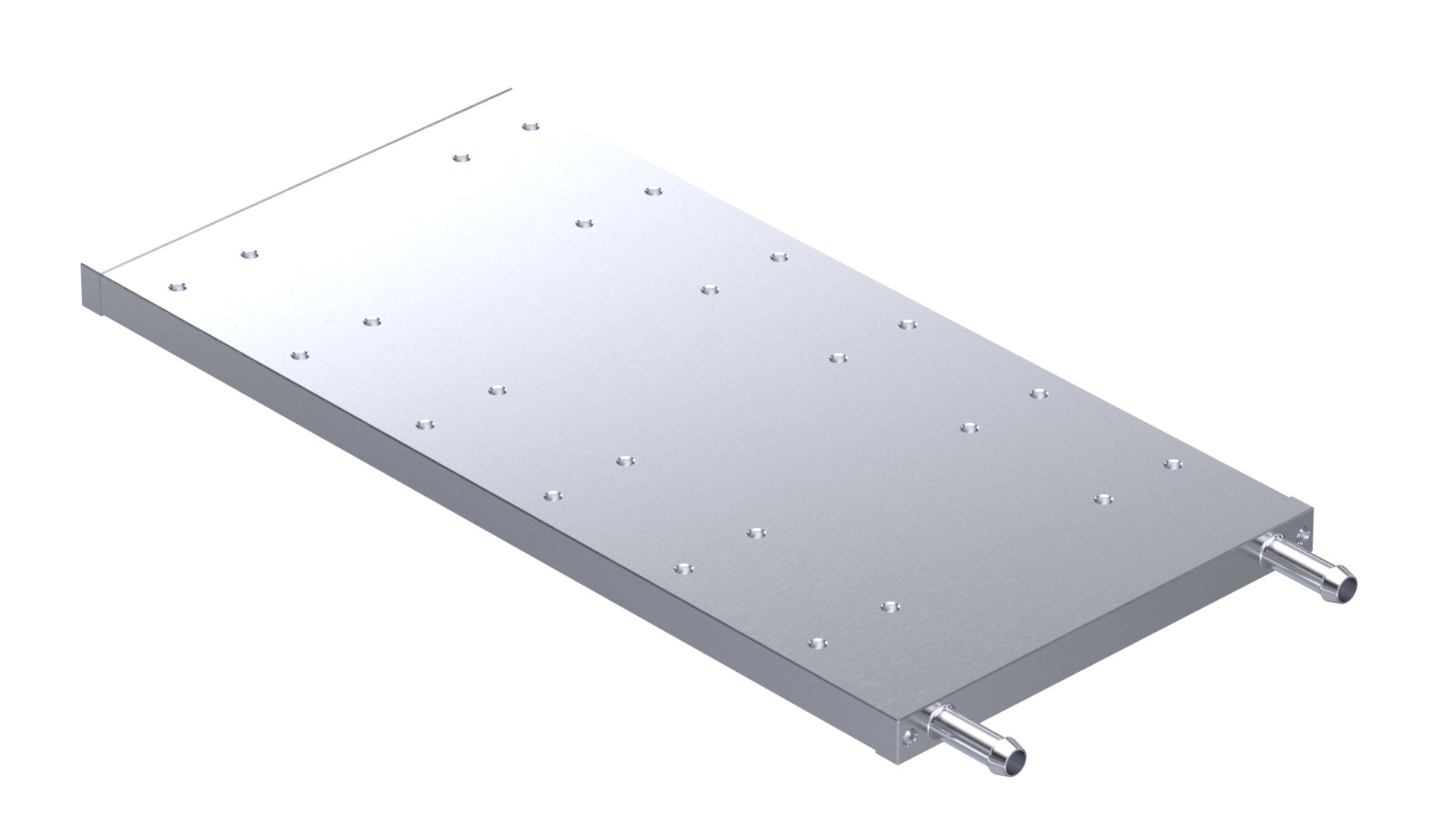
Modern traction systems integrate cold plates directly into IGBT-based converters and drive inverters, enabling stable operation even under fluctuating load conditions and harsh ambient temperatures. These systems must operate reliably across vast climate ranges—from freezing tunnels to hot, dusty rail yards—making rugged and leak-proof cold plates a must.
High Power Density in Confined Spaces: Inverters and converters are often housed in compact enclosures under floor or rooftop positions, demanding compact, efficient cooling.
Vibration and Mechanical Stress: Systems must endure constant vibration and shocks, requiring cold plates with high mechanical integrity.
Long Lifespan Expectations: Rail electronics are built to last decades; cooling systems must match this reliability with zero leakage and minimal maintenance.
Why ZeroKelvin Cold Plates Stand Out:
Vibration-resistant, unibody aluminum construction with no welds or joints.
Optimized coolant flow paths that balance low pressure drop with high heat transfer.
Compatible with railway-standard fluids and power modules (e.g., press-pack IGBT cooling).
Ideal for retrofitting legacy systems or integrating into new-generation e-mobility platforms.