
COLD PLATE DEVELOPMENT PHASES
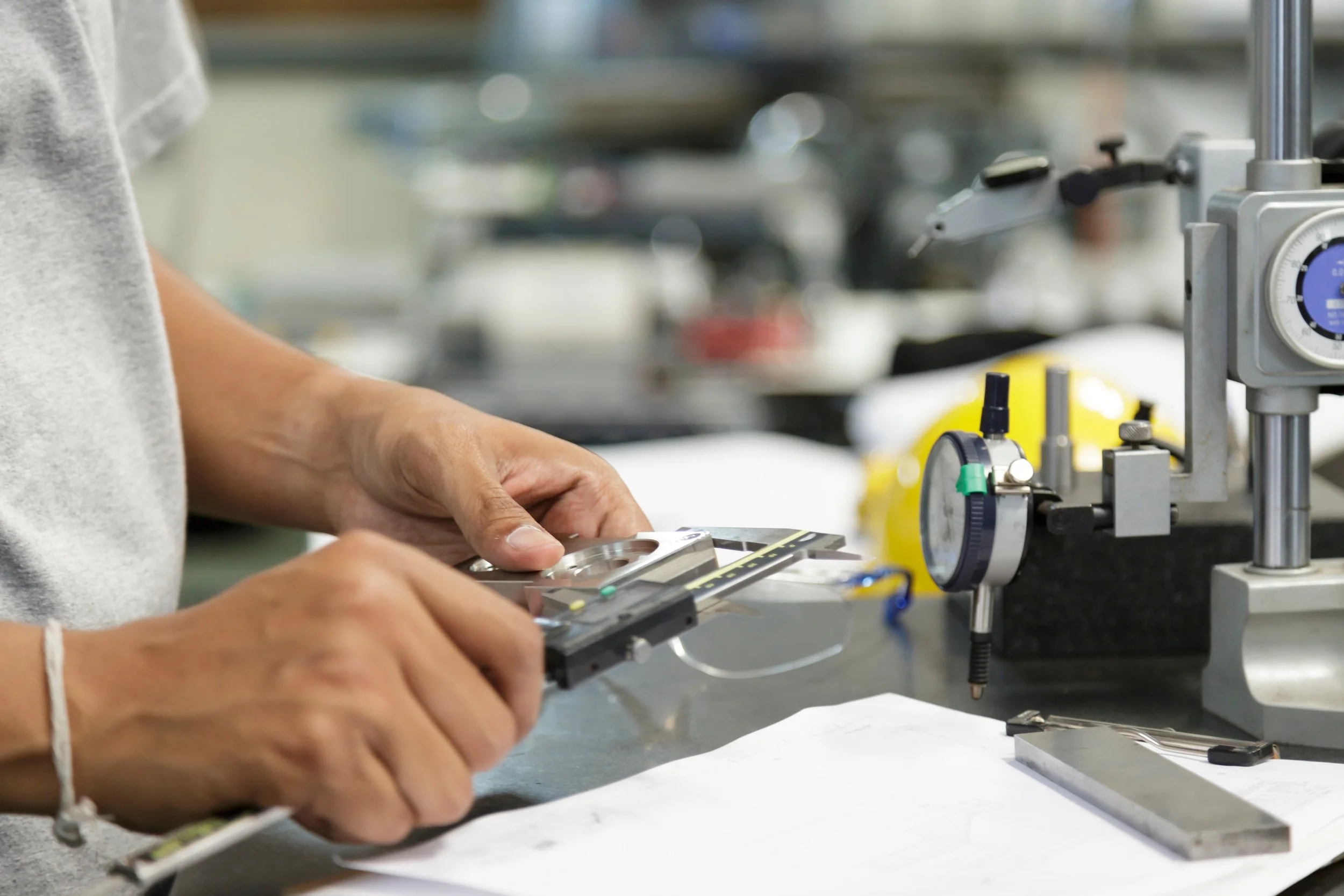
Specification & Requirements
Define thermal, hydraulic, mechanical, operational and reliability targets.
Consider application-specific constraints (lifetime, environment, fluid compatibility).
1.
→ Output: Clear requirement specification.

Conceptual Design & Optimization
Develop cold plate concepts using generative, parametric, or topology optimization approaches.
Match geometry to application needs (uniform or hotspot loads), run multitarget optimizations
2.
→ Output: Optimized digital design candidates.

Simulation & Benchmarking
Detailed CFD/FEM simulations for thermal, fluidic, and structural performance.
Benchmark against conventional or current solutions (straight channels, pin fins, etc.).
3.
→ Output: Performance analysis report.

Design Review & Feasibility
Evaluate manufacturability (tolerances, feature sizes, processes).
Balance performance, cost, and scalability.
4.
→ Output: Validated design for prototyping.
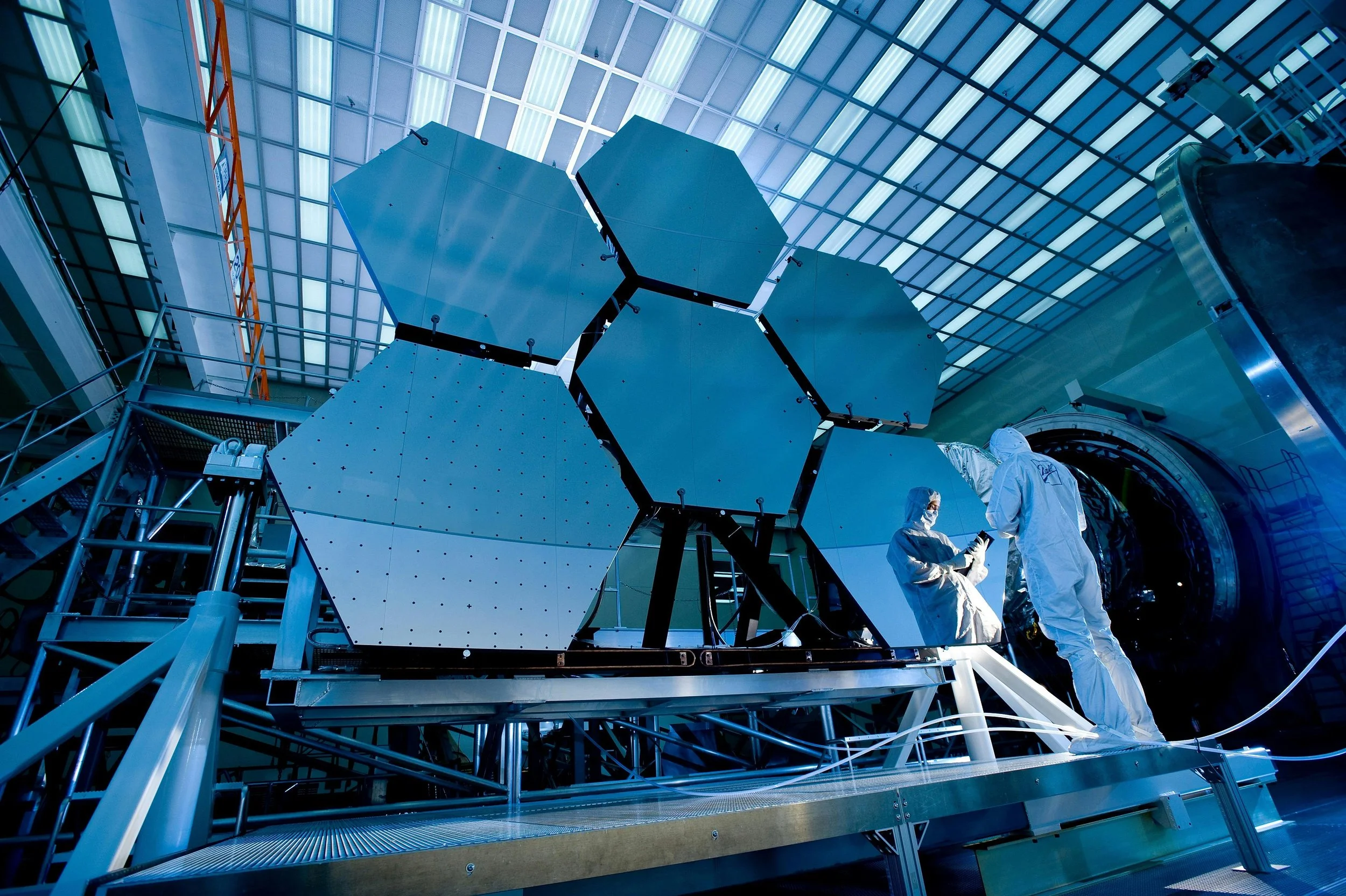
Prototyping
Translate design into CAD/CAM and manufacture samples (brazing, diffusion bonding, additive manufacturing, etc.).
5.
→ Output: Physical prototype units.
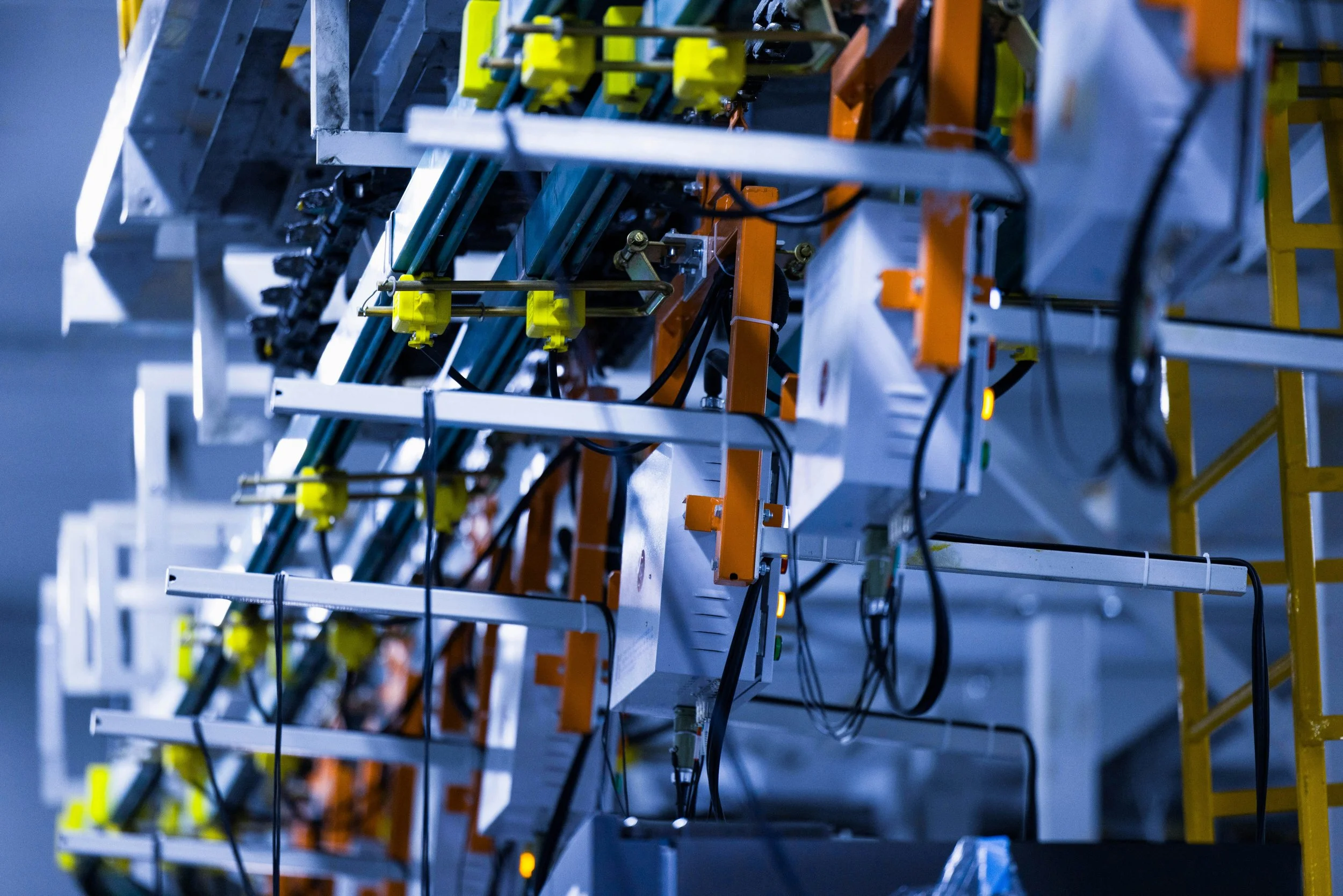
Testing – Manufacturer
Hydraulic: flow, pressure drop, hydraulic losses.
Mechanical: leak testing, burst pressure, NDT/ultrasonic.
Thermal: controlled load tests for performance verification.
6.
→ Output: Verified prototype vs. design targets.

Testing – Customer Validation
Application-level testing under real operating conditions.
Reliability checks (aging, cycling, stress tests).
7.
→ Output: Customer approval for production.
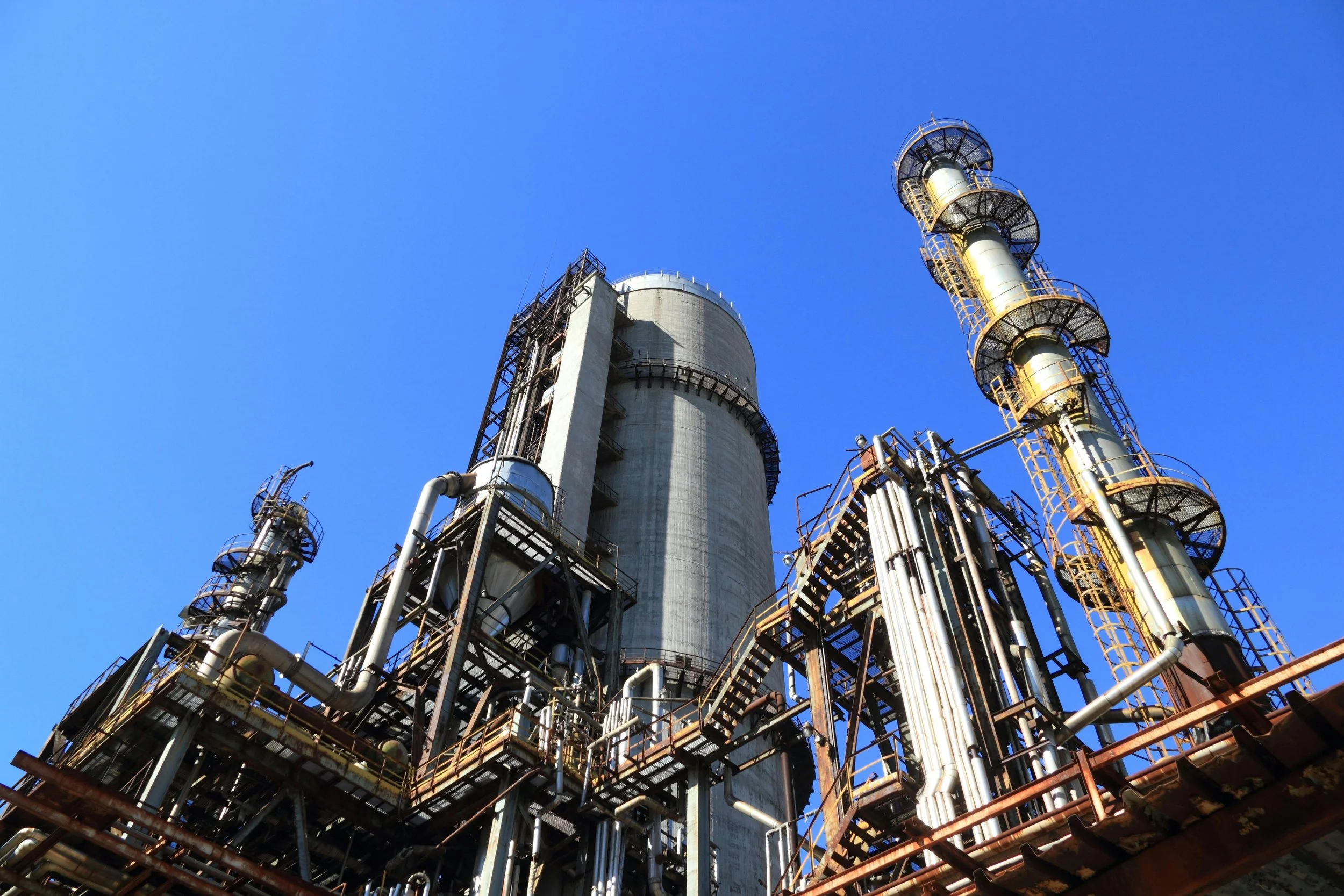
Manufacturing
Pilot → series production with quality control and supply chain readiness.
Deliver integration ready cold plates for end use systems.
8.
→ Output: Qualified product in volume.